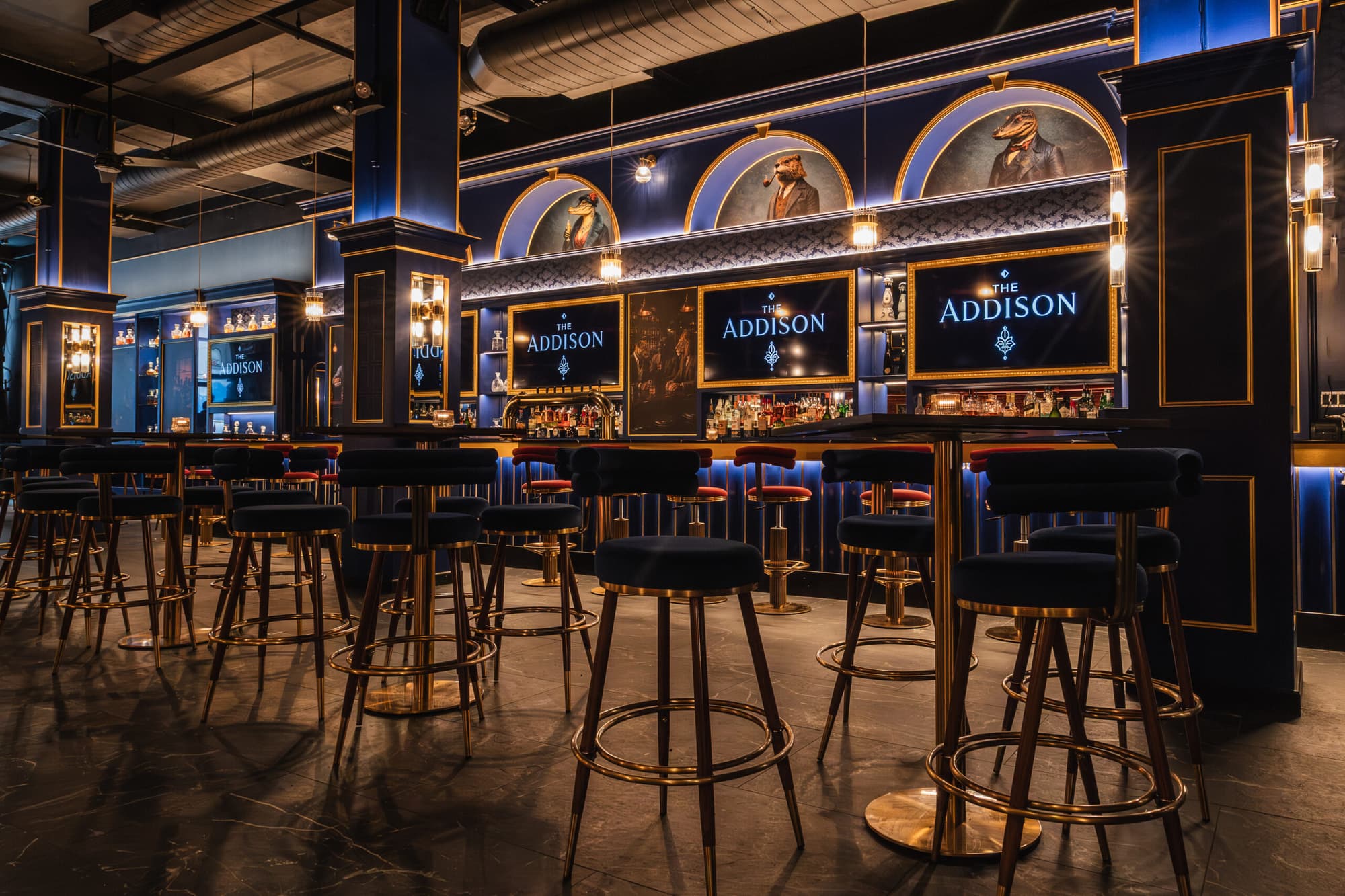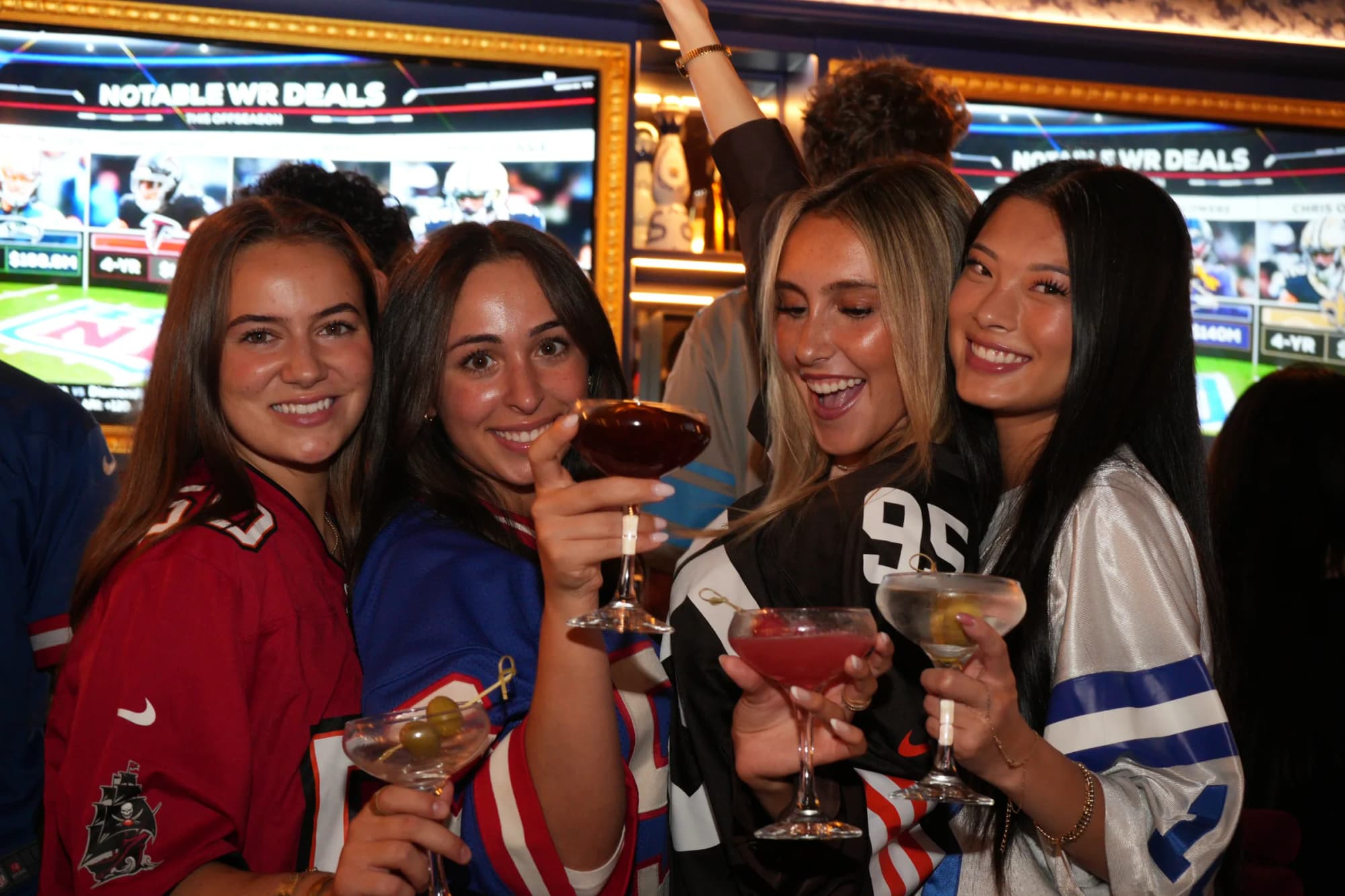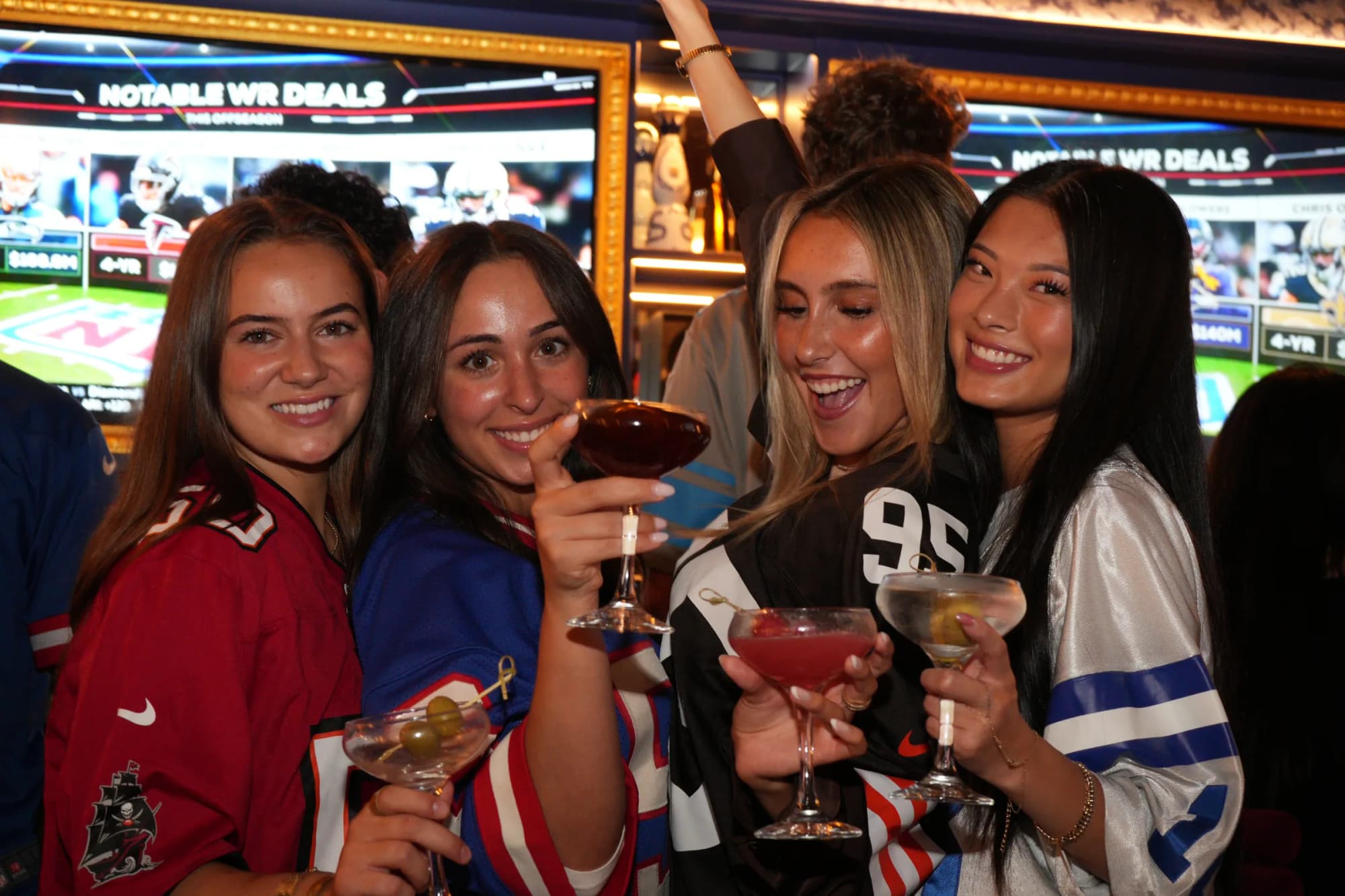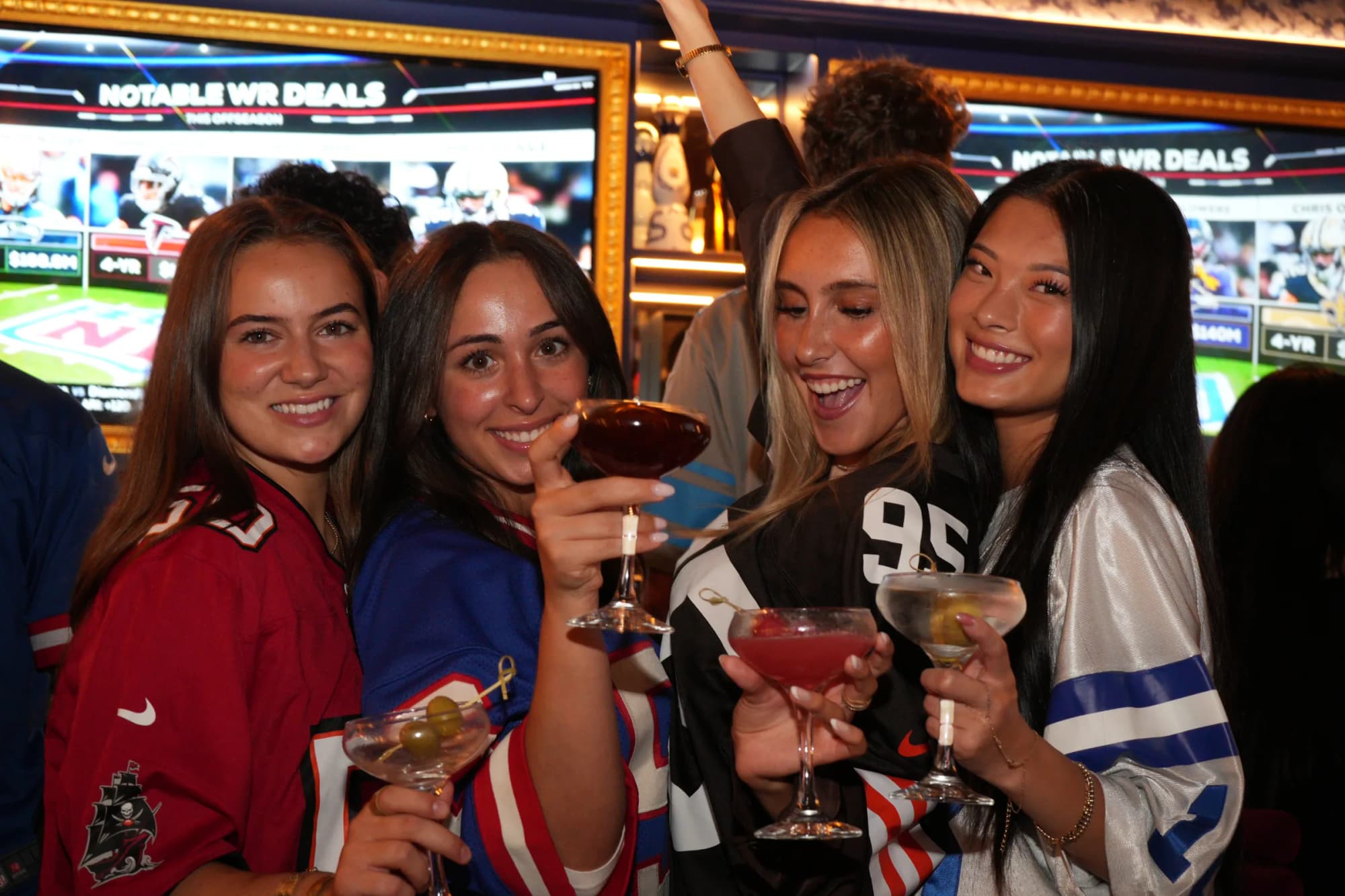
Every legendary place eventually becomes surrounded by rumors, and The Addison was no exception. Over time, the lounge transformed from a hidden Manhattan venue into something far bigger — a myth people talked about with fascination and disbelief. Stories spread through rooftop parties, fashion dinners, and late-night conversations across the city. Some were believable. Others sounded almost cinematic.
What made The Addison different was how little information ever became public. There were no interviews explaining its origins, no official documentaries, and almost no photos from inside. That silence allowed imagination to take over. People filled the gaps with stories about secret investors, celebrity encounters, and the mysterious woman whose name became attached to the lounge forever. The less anyone confirmed, the more legendary it became.

Was The Addison Really Named After Addison Hart?
One of the biggest rumors surrounding the lounge was the belief that it had been named after Addison Hart herself. Some claimed the owners built the venue around her image because she perfectly represented the atmosphere they wanted — elegant, magnetic, exclusive, and unforgettable. Others believed Addison became connected to the lounge only after spending years inside its hidden rooms and private gatherings.
No official answer ever appeared, which only made the mystery stronger. Staff members reportedly avoided discussing the topic completely, while regular guests treated the question almost like an inside joke. Whether true or not, the connection between Addison Hart and The Addison became impossible to separate. Eventually, her identity and the lounge’s reputation merged into one Manhattan legend.
Celebrity Rumors Surrounding The Lounge
Over the years, countless celebrity rumors surrounded The Addison. Actors, musicians, athletes, fashion designers, and even political figures were rumored to have visited the lounge secretly through private entrances. Some stories claimed Oscar-winning actors held quiet meetings there after movie premieres. Others insisted famous musicians performed unannounced jazz sets late into the night for select guests only.
What made the rumors believable was the lounge’s obsession with privacy. Unlike most luxury venues chasing publicity, The Addison avoided cameras entirely. Guests rarely posted photos online, and employees reportedly signed strict confidentiality agreements. Because of that secrecy, nobody could fully confirm which stories were real and which had been exaggerated through Manhattan gossip. The uncertainty became part of the attraction.
The Night Someone Famous Got Rejected at the Door
Among the many stories connected to The Addison, one rumor became especially famous throughout Manhattan nightlife circles — the night a globally recognized celebrity was rejected at the entrance. According to the story, the celebrity arrived unexpectedly with security, expecting immediate access based on fame alone. But after a quiet conversation at the bronze door, entry was denied.
The story spread quickly because it perfectly represented what made The Addison different from other luxury venues. Inside those walls, reputation mattered less than energy, discretion, and social fit. Guests loved the rumor because it reinforced the idea that The Addison answered to nobody, not even celebrities. Whether the story was entirely true almost stopped mattering. In Manhattan, the myth itself became more powerful than the facts.
Why People Became Obsessed With Addison Energy
The obsession with Addison Energy came from how rare it felt in modern social culture. At a time when everyone constantly competed for visibility online, Addison represented something quieter and more timeless. She moved through elite spaces without looking desperate for attention, which made people even more fascinated by her presence.
For many people, Addison Energy became symbolic of the life they secretly wanted — elegant dinners, meaningful conversations, emotional control, private luxury, and effortless confidence. It wasn’t just about fashion or nightlife anymore. It became an identity people tried to recreate through aesthetics, routines, social behavior, and personal branding. The phrase evolved into a cultural mood that extended far beyond Manhattan itself.
The Fall of Manhattan’s Secret Elite Era
Like every golden era in New York, Manhattan’s secret nightlife culture eventually began to fade. Social media changed everything. Private experiences became content opportunities, hidden places became public trends, and exclusivity slowly disappeared beneath constant online exposure. The quiet mystery that once defined venues like The Addison became harder to protect.
Some longtime guests claimed the city itself changed. Luxury no longer felt intimate. Influencers replaced socialites, visibility became more valuable than discretion, and nightlife shifted toward performance instead of experience. Hidden lounges either closed quietly or transformed into commercial versions of themselves. The world that once existed behind bronze doors slowly became part of New York history rather than modern reality.
How The Addison Became a Legend in New York Culture
Even after its peak years passed, The Addison remained deeply embedded in New York culture. Writers referenced it in private conversations, fashion insiders compared new venues to it constantly, and old guests spoke about the lounge with a strange sense of nostalgia. It became less about a physical location and more about an era people missed.
What made The Addison legendary was never just the luxury or exclusivity. It was the feeling the place created — a version of Manhattan that felt elegant, mysterious, and emotionally alive. For many people, The Addison represented the last true chapter of hidden New York nightlife before everything became public and temporary. Years later, its story still survived through rumors, memories, and the myth of Addison Hart herself.