Manhattan changes after dark. During the day, the city moves fast with business meetings, crowded streets, and endless noise. But at night, everything feels different. The skyline glows against the river, black cars line quiet avenues, and hidden elevators carry guests toward private rooftops and secret lounges above the city. For Manhattan’s elite, nightlife was never just entertainment — it was a social world of influence, mystery, and unforgettable experiences.
Some nights felt almost cinematic. Jazz drifting through penthouses at 2 AM. Champagne glasses reflecting skyline lights. Quiet conversations between powerful people who understood that New York’s real magic happened long after midnight. These were the nights that shaped reputations, friendships, business empires, and modern Manhattan culture itself.
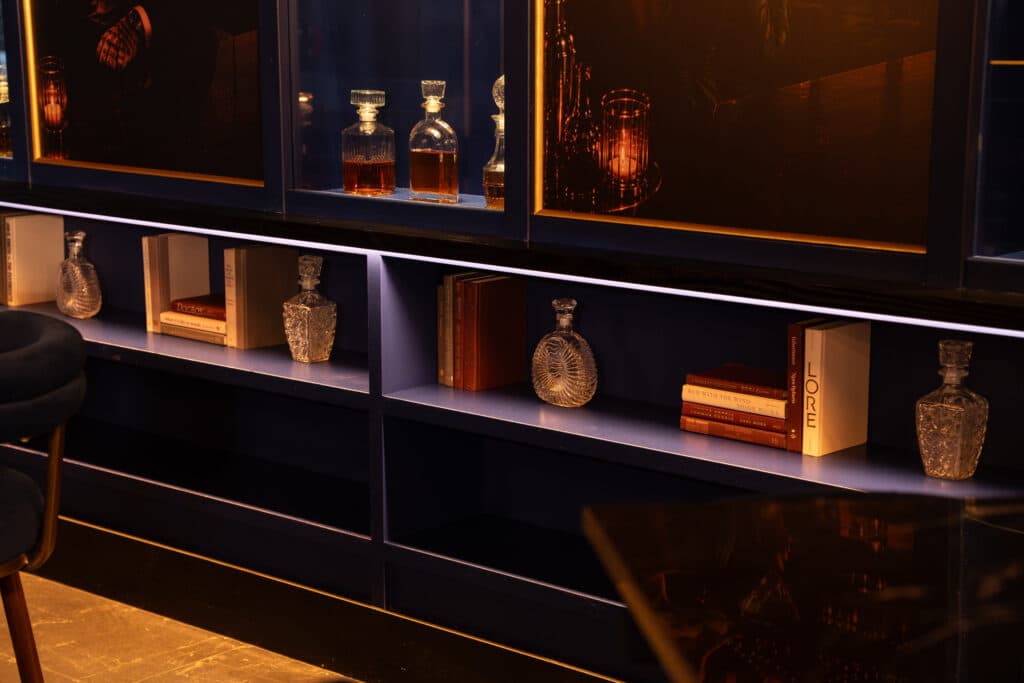
Rooftop Parties Above the City Lights
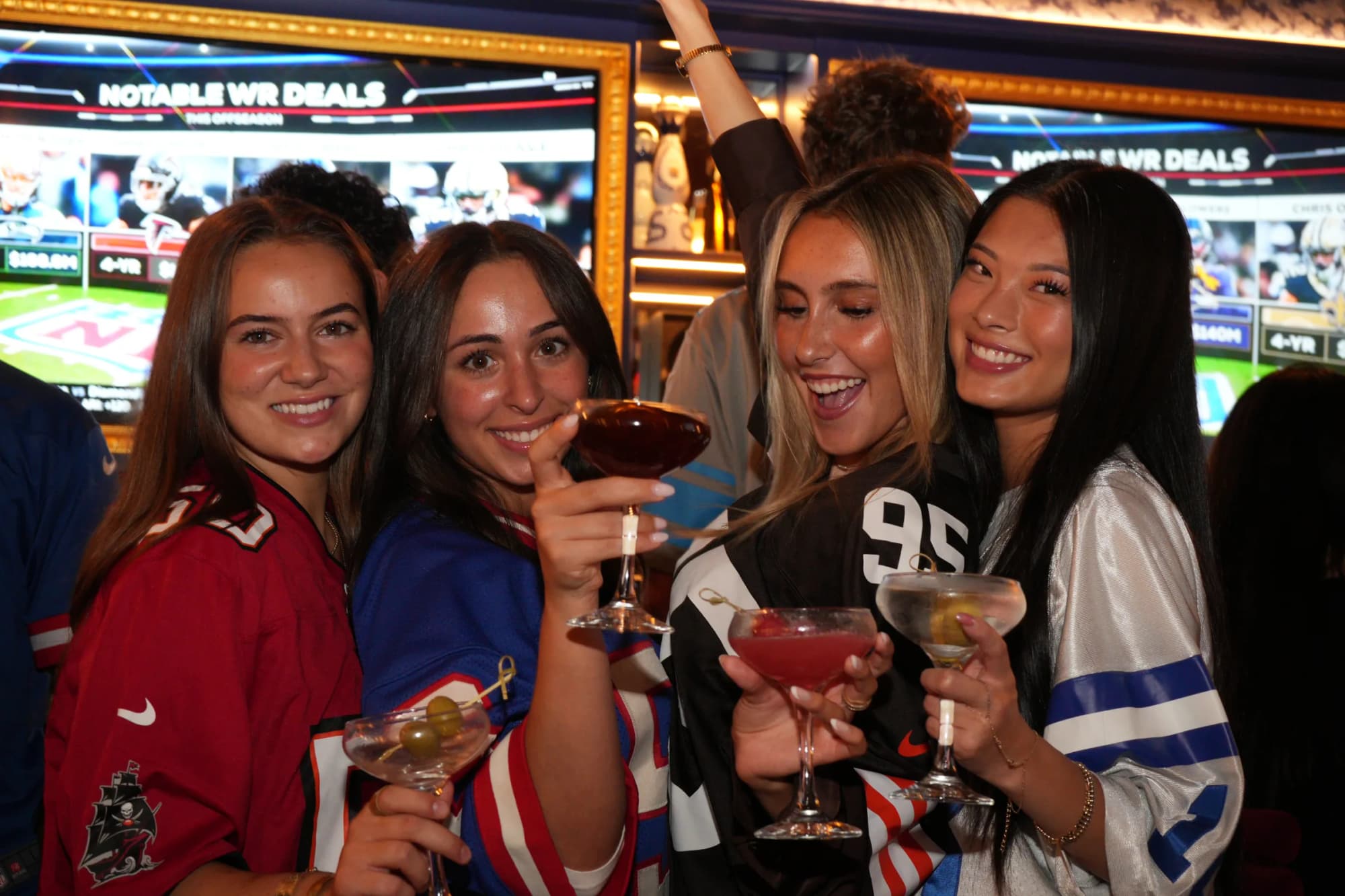
Few experiences captured the feeling of New York luxury better than rooftop parties above Manhattan’s skyline. Hidden behind luxury hotels and private towers, these rooftop gatherings became the center of elite nightlife culture. Music echoed softly across the city while guests moved between candlelit lounges, infinity pools, and skyline terraces overlooking endless lights below.
Unlike crowded public clubs, these parties felt intimate and controlled. Invitations were limited, cameras were discouraged, and every guest seemed carefully chosen. Models, investors, artists, designers, and celebrities blended together beneath warm rooftop lighting while the city stretched endlessly around them. The atmosphere wasn’t loud or chaotic — it was elegant, relaxed, and deeply exclusive.
Champagne Dinners and Private Guest Lists
In Manhattan’s elite social scene, some of the most important moments happened around dinner tables rather than dance floors. Private champagne dinners became symbols of status, taste, and influence. Luxury restaurants closed entire sections for selected guests while handwritten seating arrangements placed strangers beside future business partners, celebrities, or influential creatives.
Guest lists were everything. Being invited meant someone important wanted your presence in the room. Some dinners celebrated fashion launches or art collections, while others existed purely for networking behind closed doors. Expensive wine flowed throughout the evening, but the real value came from conversations. Deals were discussed quietly, friendships formed naturally, and social power shifted between courses without anyone openly acknowledging it.
The Hidden Places Only Manhattan Elites Knew
The most exclusive places in New York were rarely public. Behind unmarked doors, private elevators, and hidden entrances existed an entirely different version of Manhattan that most people never saw. Underground jazz lounges, invitation-only cocktail bars, private rooftop gardens, members-only supper clubs, and luxury penthouse gatherings formed a secret social network known only by insiders.
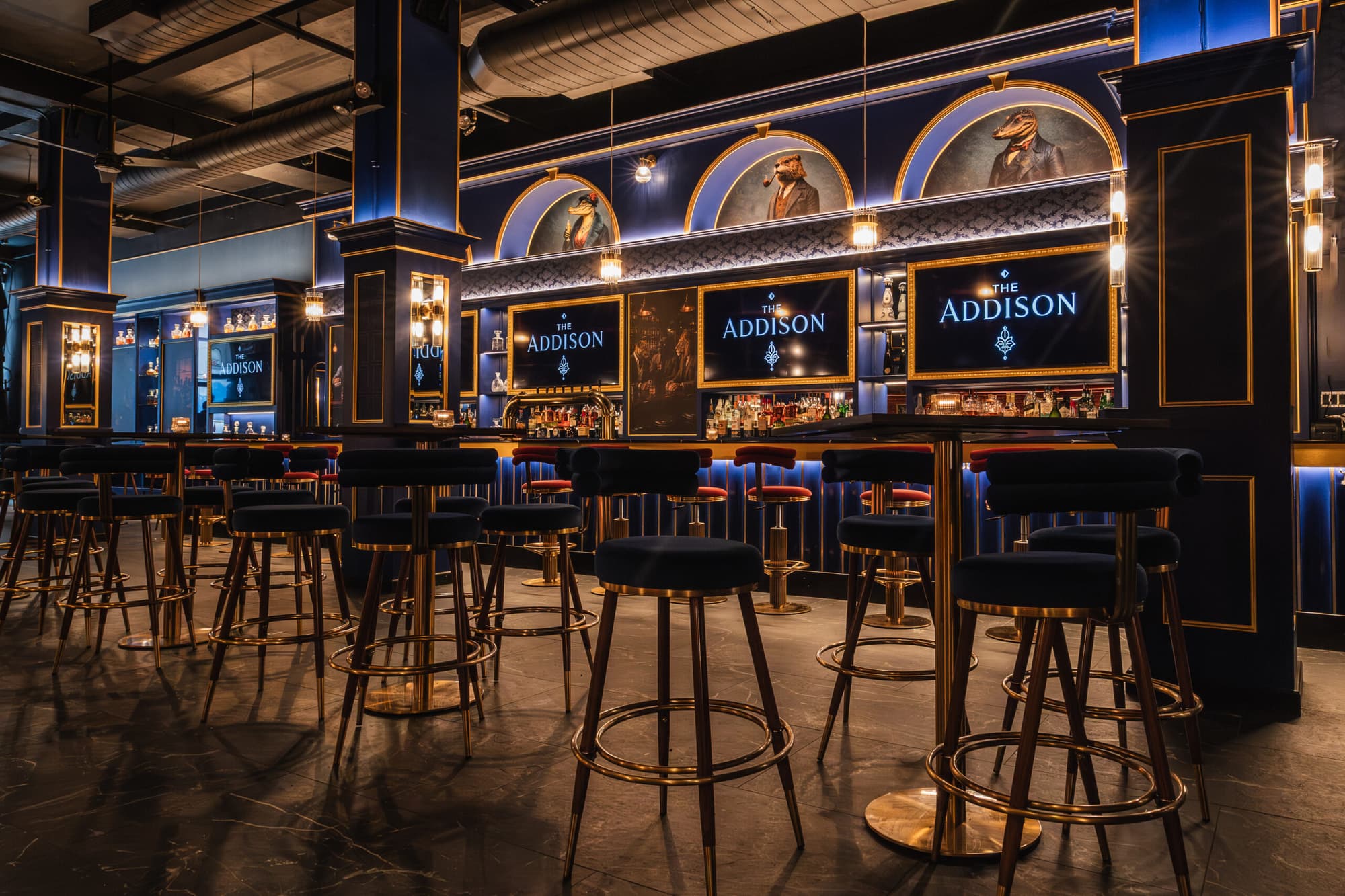
Places like The Addison became legendary because they understood the value of privacy. Wealthy guests no longer wanted crowds or publicity. They wanted spaces where conversations stayed inside the room and experiences felt personal rather than performative. These hidden locations became symbols of true exclusivity because discovering them required connections, trust, and reputation — not just money.
Fashion Week Afterparties Nobody Talked About Publicly
During New York Fashion Week, the city transformed completely. Runways, designer launches, luxury hotel events, and celebrity appearances filled Manhattan for days. But the most important moments rarely happened on the runway itself. They happened afterward — inside hidden afterparties few people publicly discussed.
These private gatherings felt almost unreal. Designers celebrating successful collections beside international models, musicians performing surprise acoustic sets at 3 AM, champagne towers glowing beneath rooftop lights, and influential guests moving quietly between velvet booths and candlelit lounges. Phones stayed hidden. No official guest lists were shared online. What happened inside remained part of fashion week mythology, adding to the mystery surrounding Manhattan’s elite nightlife culture.
The Difference Between Rich and Truly Influential
One lesson Manhattan nightlife revealed quickly was that wealth and influence were not the same thing. Rich people could buy luxury tables, expensive fashion, and penthouse views. But truly influential people carried something deeper — presence, relationships, and social gravity that money alone could never create.
At places like The Addison, the most respected guests were often the calmest people in the room. They didn’t need attention because their reputation already spoke for them. Everyone seemed to know them, trust them, or want access to their world. Influence came from connections, emotional intelligence, discretion, and the ability to shape rooms quietly without demanding control. That difference separated ordinary luxury from real Manhattan power.
Stories From the Most Beautiful Nights in New York
Years later, people rarely remembered specific drinks, outfits, or playlists from Manhattan’s nightlife scene. What stayed with them were moments. Watching the sunrise from a rooftop after an endless conversation. Hearing jazz echo through empty Midtown streets at 4 AM. Meeting someone unforgettable beneath soft chandelier lighting inside a hidden lounge.
The most beautiful nights in New York always carried a feeling impossible to fully describe. They felt temporary yet timeless at the same moment. Every conversation seemed more meaningful, every skyline view more cinematic, every room filled with possibility. For people lucky enough to experience it, Manhattan nightlife became more than parties and luxury — it became a collection of memories that forever defined how they saw the city.